
Skip to content Skip to footer
arpine-cicek-icon

A Subjective Resistance and
Existence Narrative

Arpine Silahlı

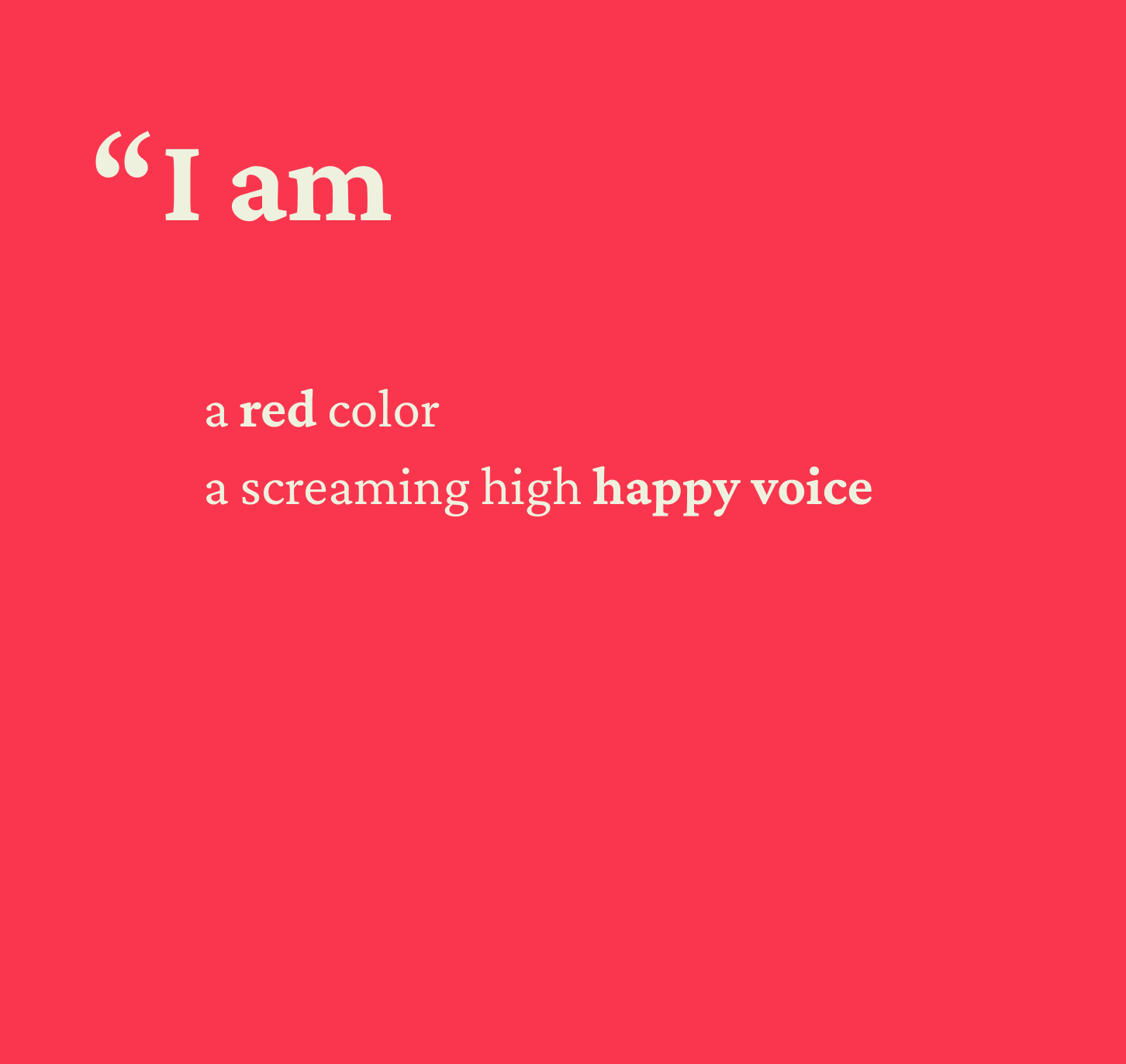
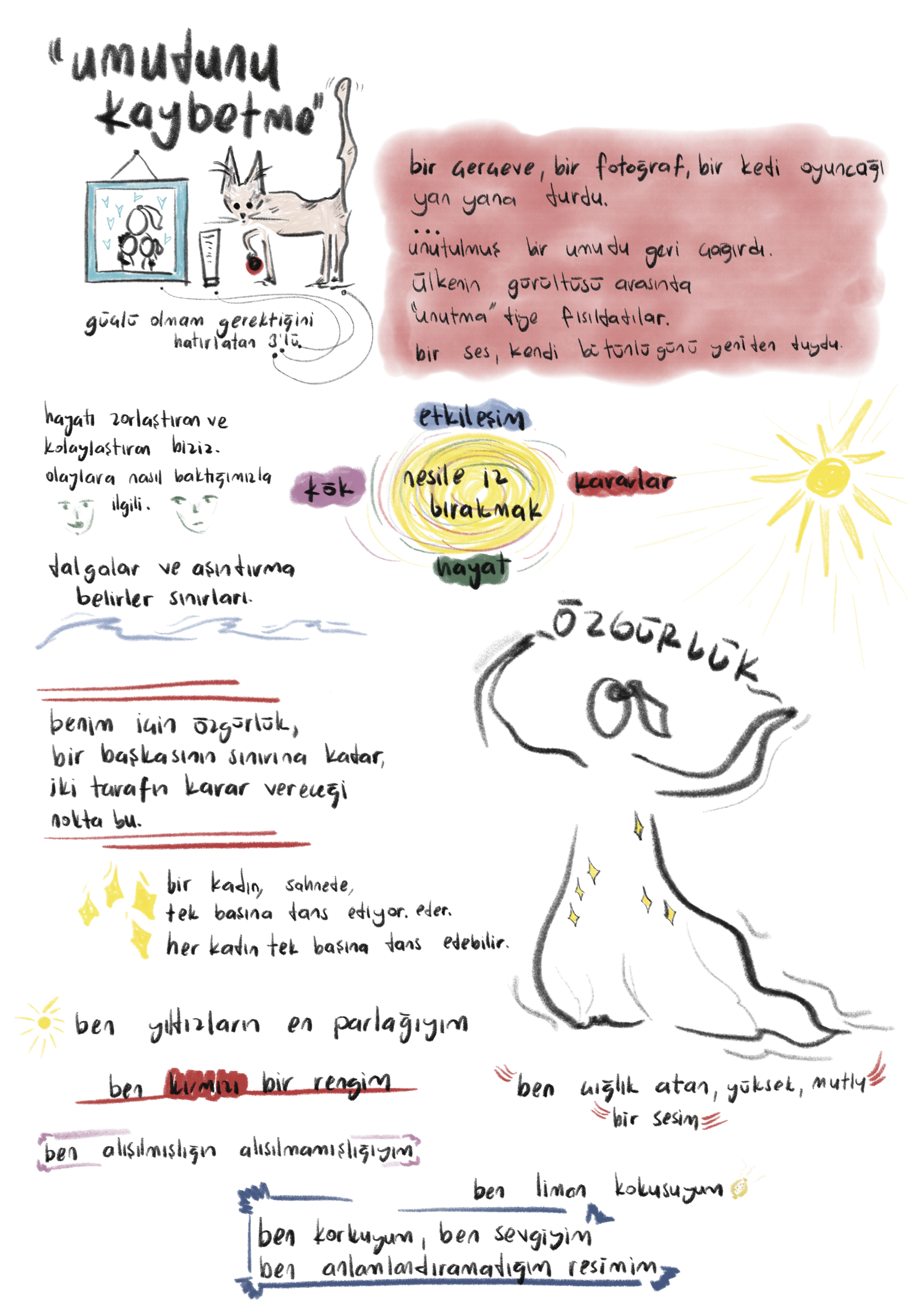
What does it mean to be “red”? What possibilities does defining ourselves with a color rather than an identity category offer us? How does the pressure of “not being too visible” enter into dialogue with red? Is claiming visibility an empowerment practice, or is it a risk?
How is emerging from silence and raising one’s voice an empowerment practice? While producing alternatives against the necessity of silence, if our voice is not only loud but also happy, what does this combination transform? How is making happiness visible a form of resistance?
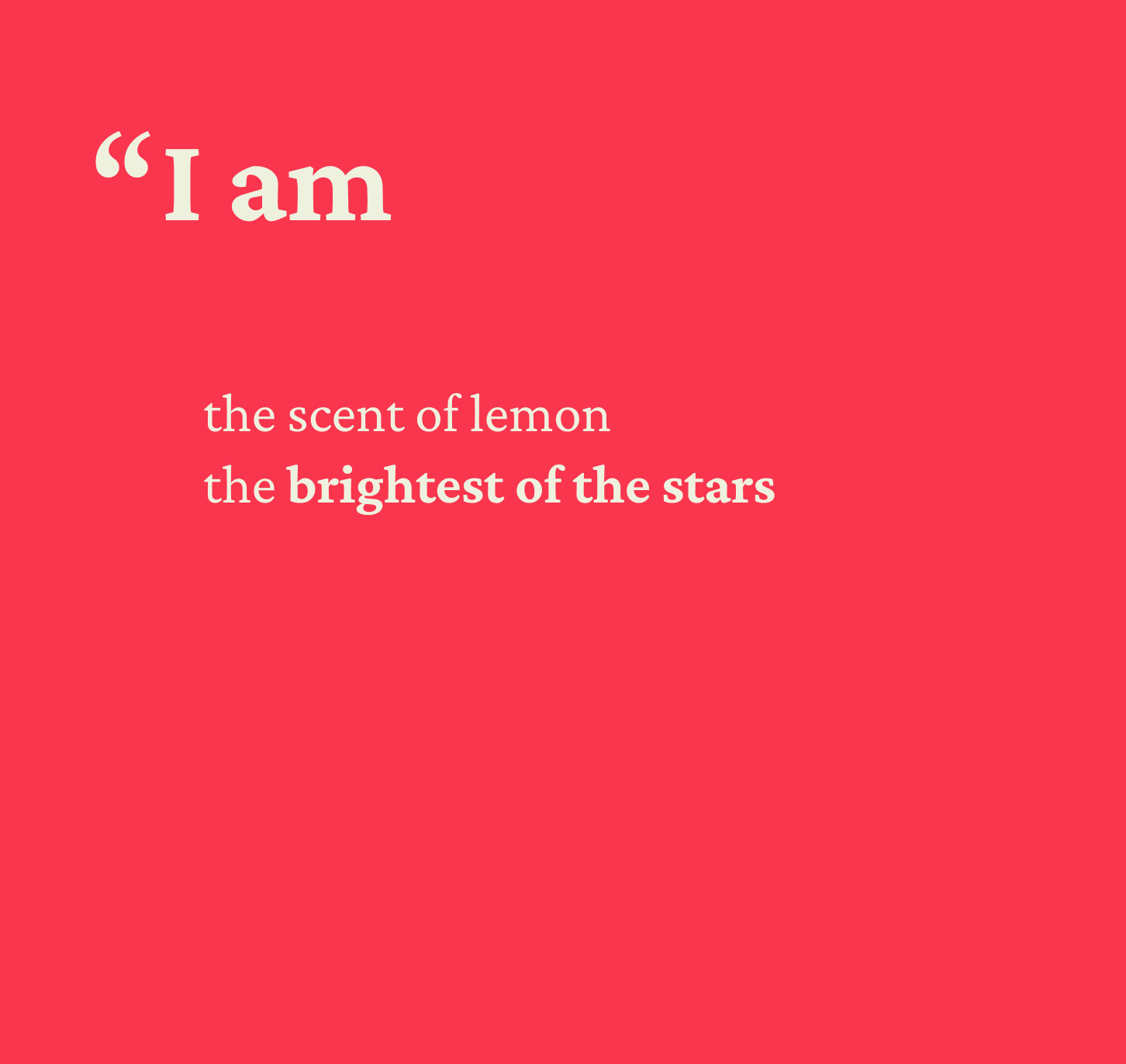
How does scent call us back to our body? What changes when we re-establish contact with our body? Can pleasure and vitality be part of empowerment? What is the feeling of reclaiming our suppressed or controlled body?
How can we achieve a strong declaration of self-worth against devaluation? When we place ourselves at the center, radiate light, and express our self-worth as a right, how do we feel? Does empowerment come alive when we strive “not to be too much,” or when we legitimize shining?
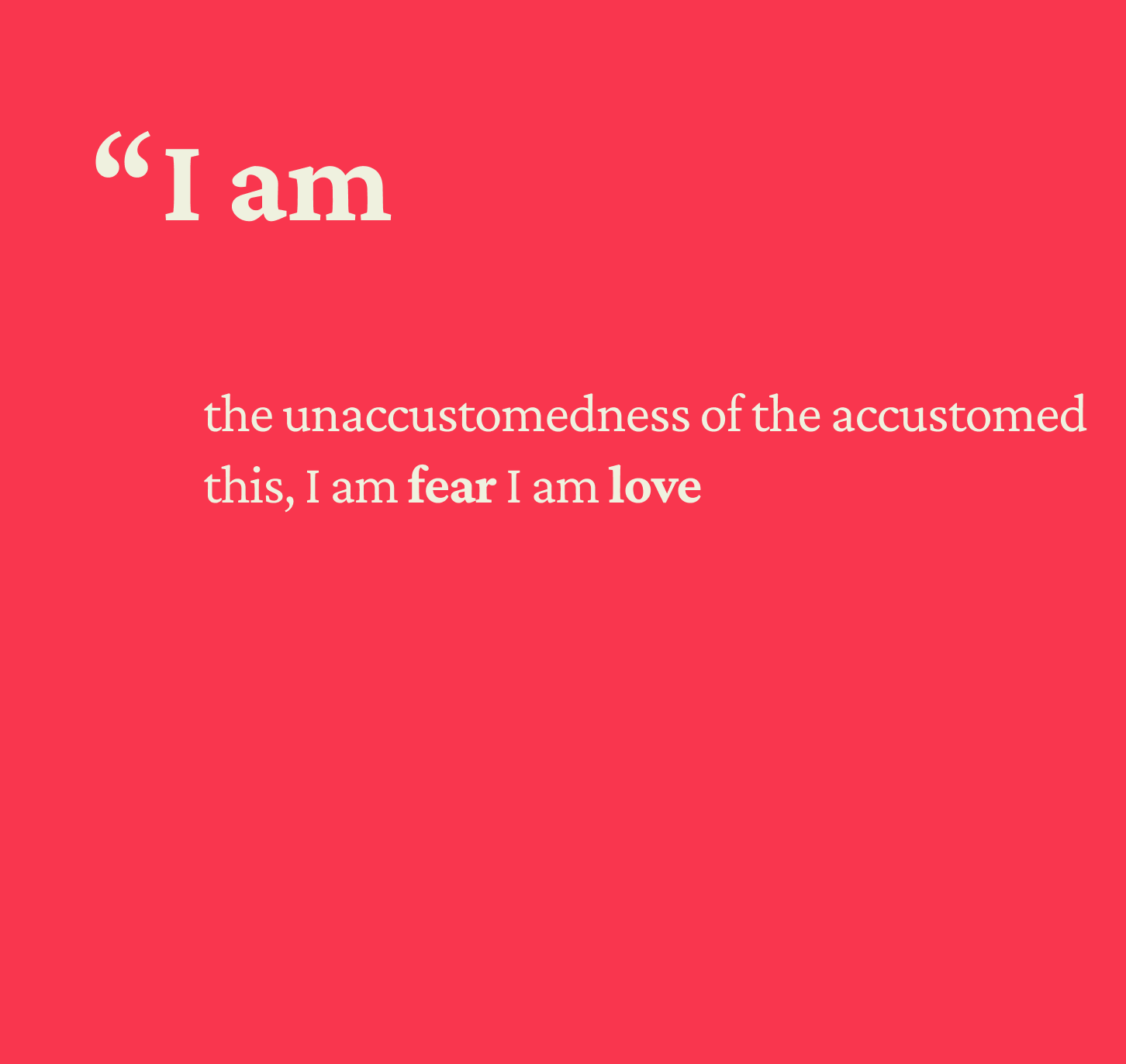
How do we conform to norms? Are norms a tool of pressure? Do conforming to norms make us normal? Are those who refuse to conform “incompatible” or “exceptions”? How do we question the very idea of normalcy? Is empowerment about staying outside the norm? Or about blurring the boundaries of the norm?
Do we empower ourselves only by explaining and narrating ourselves? By justifying or defending ourselves? How do we free ourselves from the obligation to prove ourselves?
Does emotional consistency empower? How do fear and love coexist in the same body? Do vulnerability and empowerment contradict each other? Can we empower ourselves by suppressing our fears, or by managing to exist alongside them?
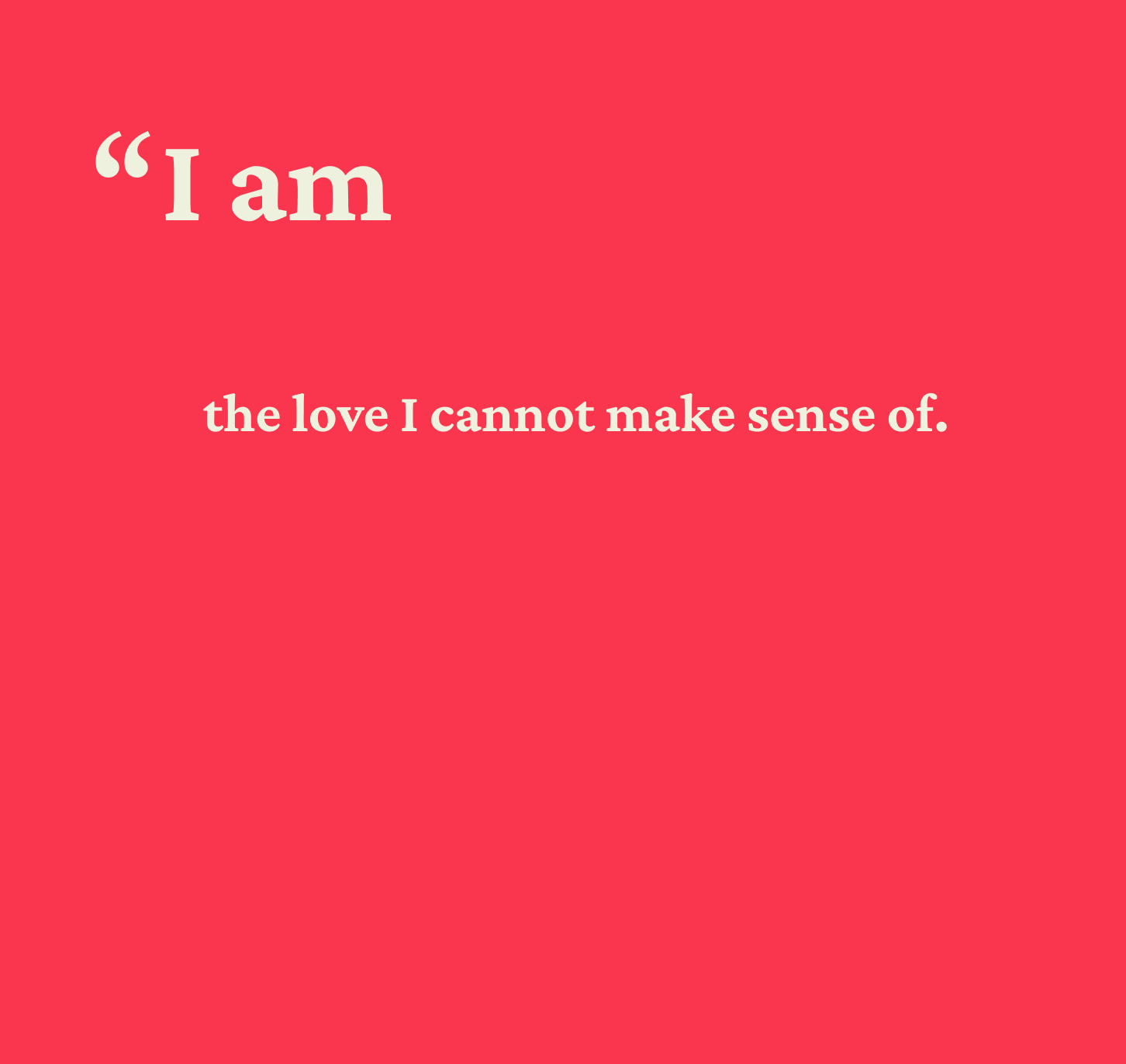
Have I ever thought about the sentence: “The demand to be allowed to exist without having to explain is an expression of empowerment”? Must everything be explainable? If we cannot fully name our emotions, are those emotions illegitimate because they are unnamed? Can the expectation to explain oneself to someone or a social group be felt as a subtle form of pressure?
By acquiring fixed identities? By becoming free of fears? By adapting to norms, or by claiming a sensory, bodily, emotional, and contradictory existence? Is there a final state of empowerment? Is empowerment a fragile yet determined practice that exists in all of us?
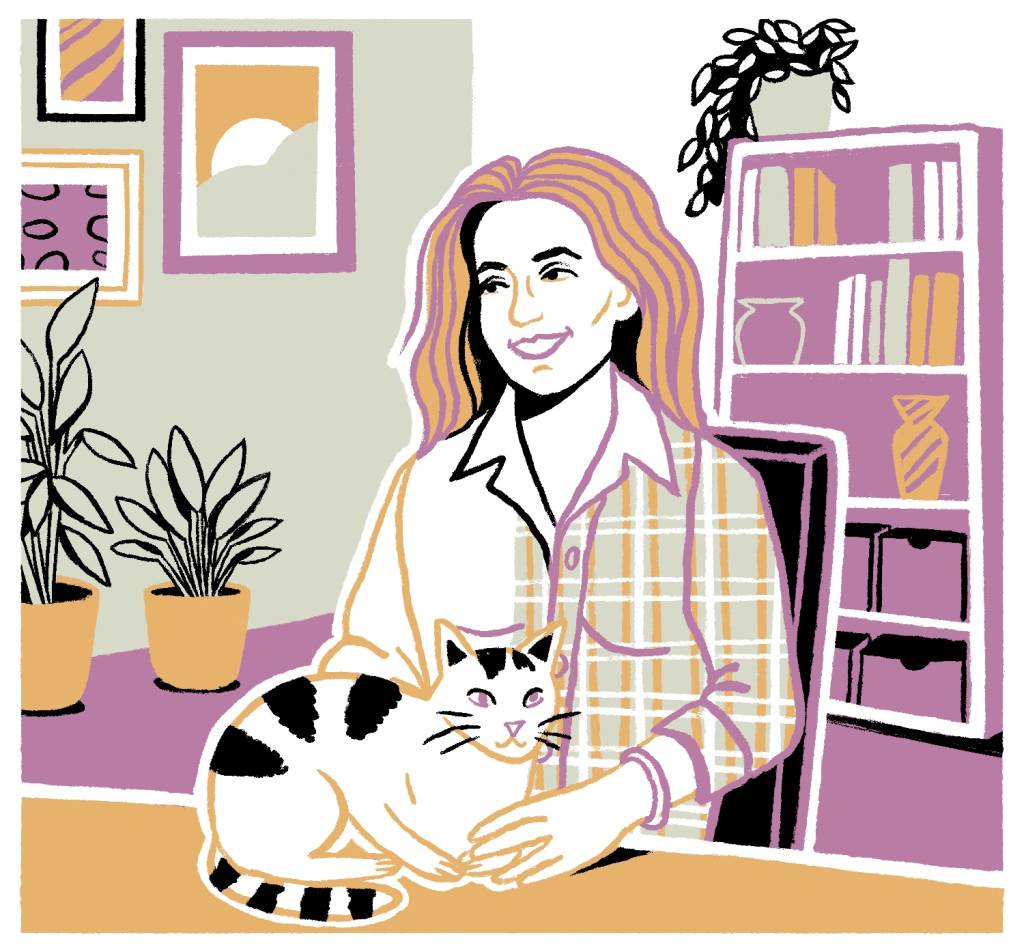
Arpine_silahli-katilimci-cizimleri-2
arpine_invisibletraces

Arpine Silahlı

My journey began in 1988 in İskenderun as the daughter of a Christian and Armenian family. From a young age, I was closely involved with basketball. At the same time, I was interested in numerical sciences. For this reason, I moved from İskenderun — where opportunities were limited — to Ankara for university, and studied Actuarial Sciences at Hacettepe University. As of 2011, I started working at a private insurance company in Istanbul, the inevitable meeting point of the private sector. I continue in the same field as an Actuarial Pricing Manager. Throughout this period, although it has varied, I have never distanced myself from sports. As someone who misses, loves her lands, and wants to leave a mark on the future, I actively participate in the Vakıflı Village Association.

arpine_invisibletraces

Artist Workshop Process

Expressive Arts Practitioner: Aylin Vartanyan
Education Specialist, Visual Facilitator: Duygu Aşık

arpine-atolye-calimasi-2

Concept
Meral Akkent

Project Coordinator
Şehlem Kaçar

Art Director
Günseli Baki

Project Team
Meral Akkent, Şehlem Kaçar
Günseli Baki, Aylin Vartanyan
Duygu Aşık, Eda Çağıl Çağlarırmak, Su Sakarya, Umay Özde Öztürk, Ferhat Akbaba

Illustrations
Duygu Aşık

Graphic Stories
Eda Çağıl Çağlarırmak

Graphic Design
Ferhat Akbaba

UI/UX & Software Development
Berfin Ezgi Toktaş

Museum Pedagogy Units
Meral Akkent

English Translations
Isabelle Odia, Meral Akkent

English Editors
Meral Akkent, Hans-Martin Dederding

GÖRÜNmeyEN İZLER? – inVISIBLE TRACES? is an exhibition of Istanbul Gender Museum. The intellectual property rights of all content presented in the museum’s exhibitions belong to the museum’s founding institution, the Gender Studies Association.

Contact: iletisim@istanbulgendermuseum.org