
A Life Built by Space: From Hopscotch Traces to the Academy
Eva Şarlak
Eva Şarlak, with her life experience between two different religions and cultures, forms one of the original narrative layers of the work. Eva Şarlak, whose father is Greek and mother is Jewish, has a comic strip based on interviews with her, which is displayed in the exhibition room accompanied by texts she wrote about the milestones in her life. She contributes to the conceptual framework of the exhibition not only through her role as an educator and the cultural knowledge that she transmits to young people but also by sharing life lessons and a perspective on cultural heritage. The letter she wrote for the first month Meldado ceremony following her mother’s death, titled “After My Mother Sara Ildır,” documents Eva Şarlak’s negotiation with her own community.
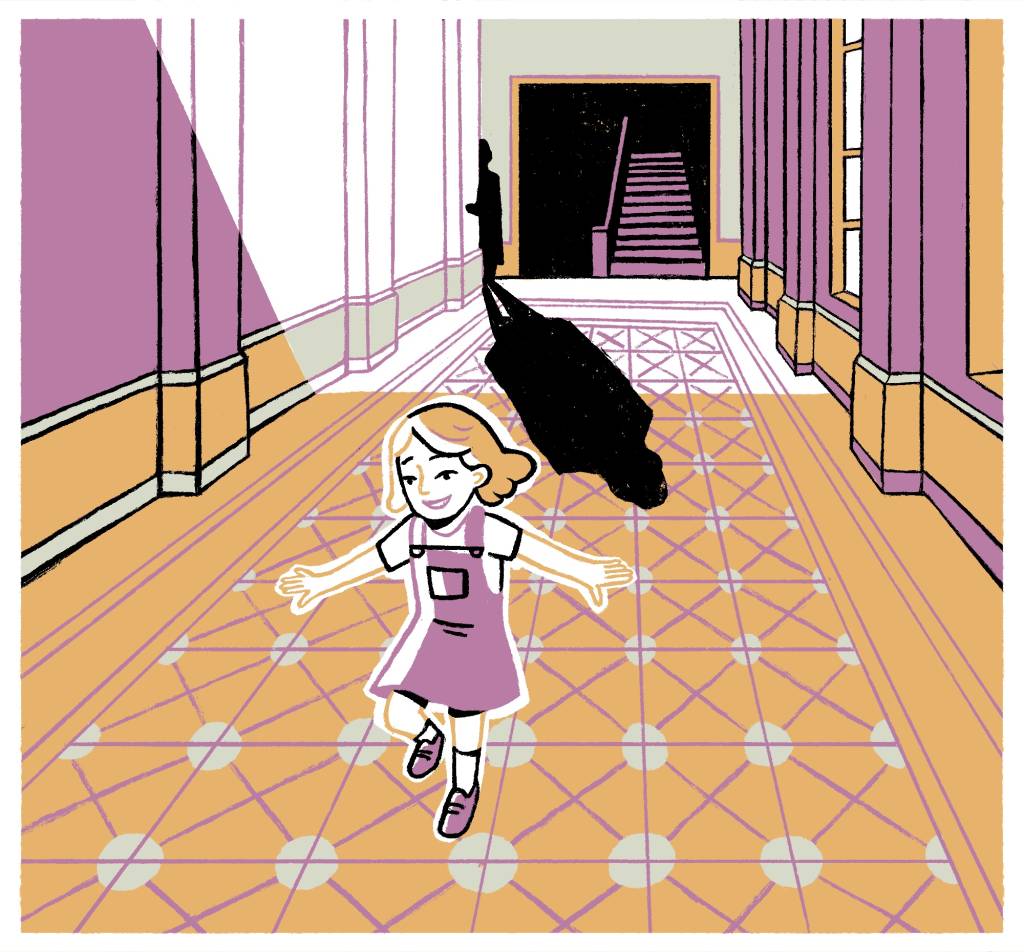
The little girl playing hopscotch in the corridors of Istanbul Technical University
The most innocent moments of my childhood were the days I played hopscotch in the history-scented corridors of Istanbul Technical University, where my mother worked as a civil servant. While I ran around those stone corridors, my mother worked side by side with the era’s leading professors; as a woman, she strove to make her presence and labor visible. At home, a completely different scene unfolded: my mother pressured me and my sister Roza to “be successful,” while my grandmother opposed this pressure, teasing with her famous line: “Sara my girl, are you going to make these children professors?” My mother, silent but resolute, would reply: “As long as I live, yes, they will become professors.” Those little girls playing hopscotch back then were unknowingly inheriting their mother’s unbreakable resilience. Years later, one returning to those same corridors as a professor, the other continuing her life as a French teacher at Saint Benoit — this became the most concrete answer to women’s invisible strength.
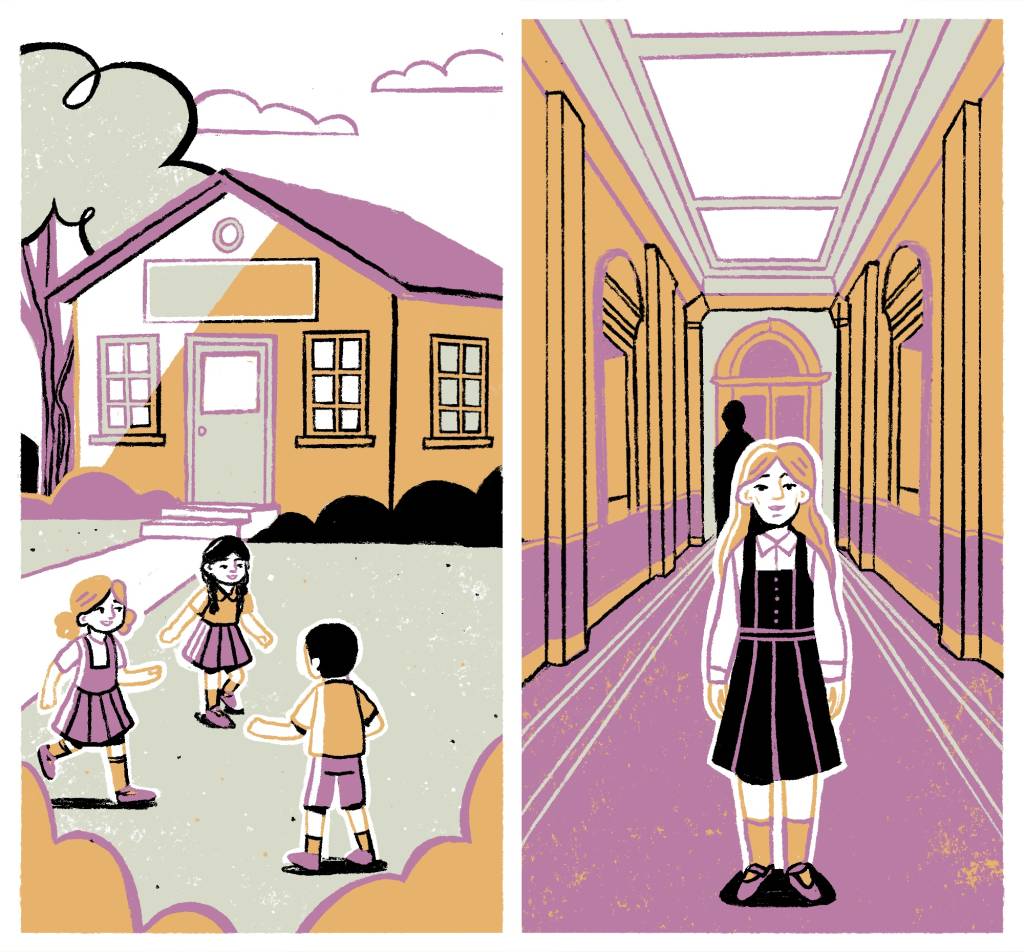
Transfer from the small neighborhood primary school in Ortaköy to the primary school of Merkez Rum Kız Lisesi
While my small neighborhood primary school in Ortaköy quietly closed due to the declining Greek population, we still carried the magic of that wonderful garden where we played “un, deux, trois” beauty/ugliness and hide-and-seek. The school, once filled with children’s voices, turning into a café today feels like a silent trace of a transformation that gradually left our childhood sounds behind… With this closure, my path led to the primary school of Merkez Rum Kız Lisesi. The corridors that seemed gigantic to me, the ornate wooden-ceilinged ceremonial hall intertwined with the world — it made me see life for the first time as bigger and more colorful. Feeling so small inside that enormous school was a feeling that silently seeped into me on the long way home.
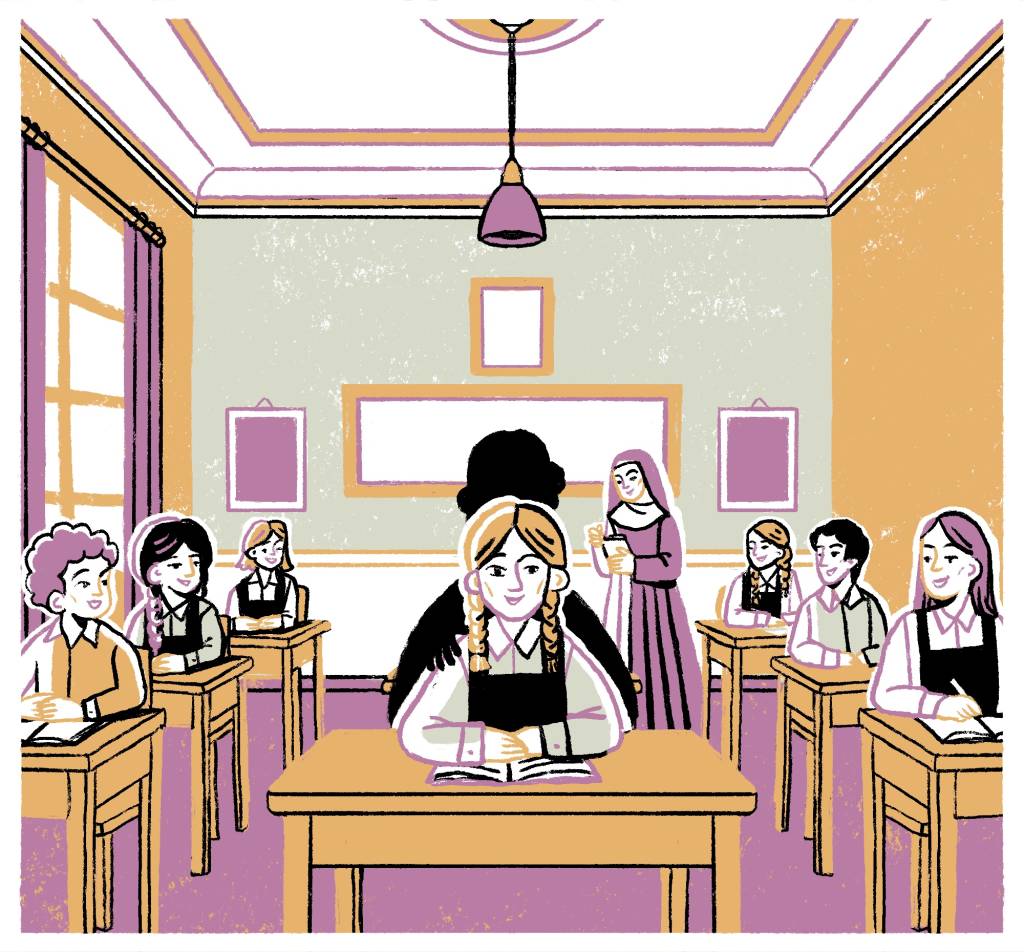
Continuing education in a French school until the final year of high school
Stepping into a brand-new language, a different culture, and an education at a young age was enchanting. The school’s high ceilings, disciplined order, and the French greetings I heard every morning expanded my world. I often pushed myself to surpass limits, to understand an unfamiliar language, to grow a little stronger each day. But at the same time, that school taught me something else: to believe in myself and friendship. My friends from different cultures, young people of other faiths, nuns… At that age, we attached no meaning to what we now call identity; we didn’t distinguish, didn’t even know. For us, there was only one reality: laughing together and growing together. Perhaps that’s why those years quietly planted in me the most precious awareness: learning to love first. The first seeds of my horizon, my curiosity, and my self-confidence settled silently in my heart the day I stepped into that school.
My dream education: Archaeology
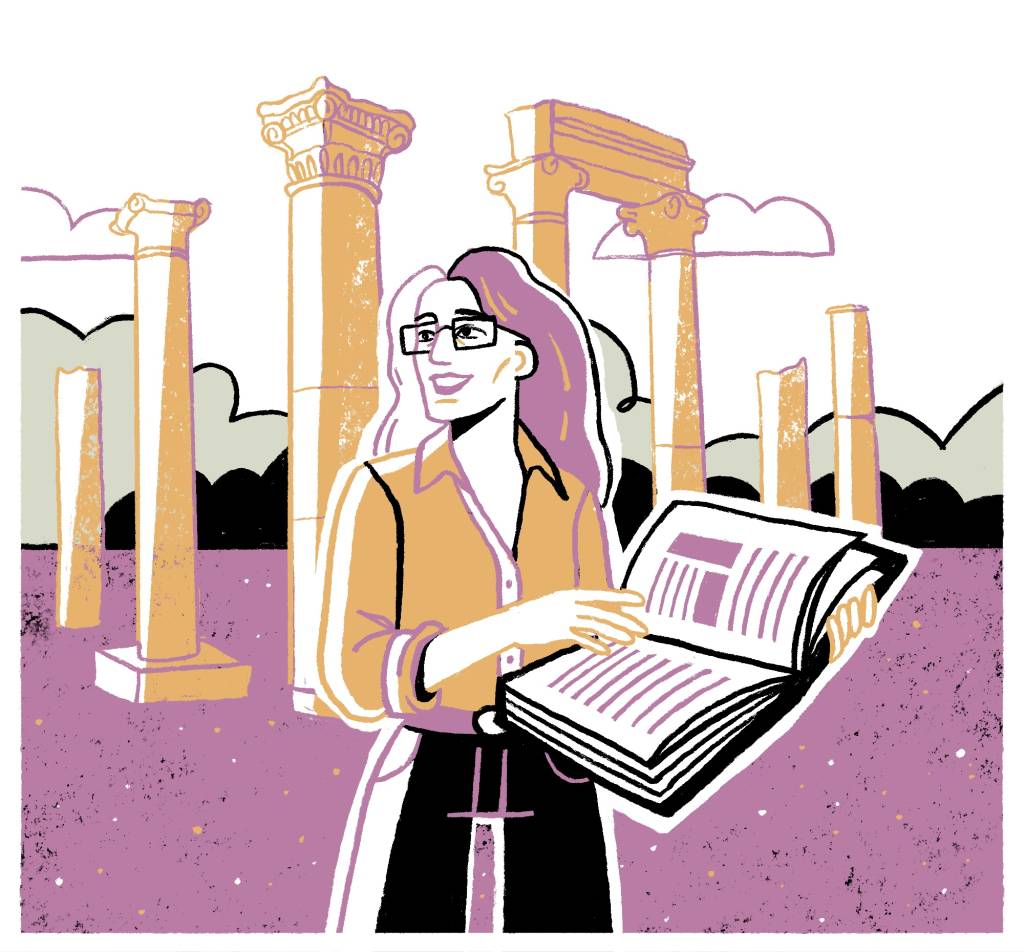
The day I was accepted into Classical Archaeology, soil was no longer just soil for me; it was Homer’s verses, whispers of ancient gods, traces left by old civilizations… All were silent heroes conversing in my childhood imagination. The school was enchanting; an ancient breeze wandered its corridors. Mastering Greek opened another door. Suddenly the inner language of texts unlocked; I began to hear more closely the rhythm of ancient thought, the voice of mythological narratives. Archaeology was the perfect meeting for me of the excitement I drew from mythology, the bond I formed with languages, and the deep, calling interest I felt toward the past. My imagination had finally found me after waiting for years.
From Ortaköy to Bağdat Avenue
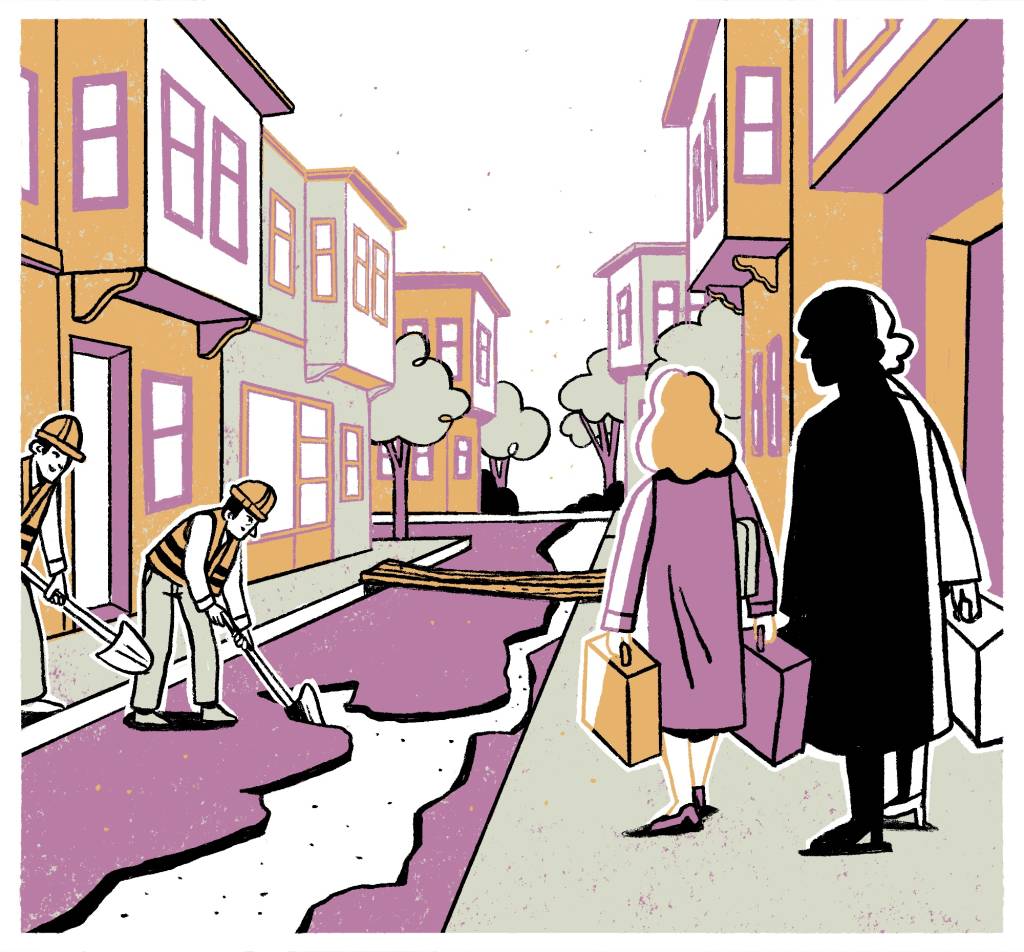
The stream that divided the road in my childhood Ortaköy, the calm water I listened to on summer evenings from my grandmother’s painted house, one day disappeared under asphalt. Salih the water carrier in the neighborhood, Ziso the grocer where we bought biscuits, Lido, Istanbul Swimming Specialization, and the Ortaköy bath — other familiar faces — as that old rhythm slowly faded, something was changing. Bağdat Avenue was the door to an orderly, modern, but somewhat foreign world for me. Stepping into a new life after Ortaköy’s neighborhood warmth was both exciting and a little melancholic. On one hand I was growing up, on the other I was slowly leaving my childhood sounds behind. Looking back today, that move was not just changing houses; it was one of the transformations life silently taught me about the place of space in our lives, how memory reshapes itself, and the human power to rebuild oneself.
Meeting my husband and our children
When we met in 1988, he had a way of speaking that felt good to people, inspiring trust. No exaggeration, no show… It felt as natural as meeting someone I’d known for a long time. He had finished university in Austria after Avusturya Lisesi and returned home, viewing the world through his own cultural accumulation; I was a young woman right in the middle of academic life, trying to carve my own path. These differences made our conversations richer, understanding each other easier. Coming from different cultures never created distance between us; on the contrary, it facilitated mutual understanding. Sometimes relationships begin not with intense emotions but with this silent sense of familiarity; while I chased documents for my master’s thesis, in exhausting periods my husband was always by my side. He truly made an effort to support, to share the load, to think together with me. When our twins were born in 1993, we learned together to balance, to decide together, to walk together, to shoulder together. That’s why our story became strong: built on a harmony quietly established, a trust preserved for years, and a lifelong companionship.

Master’s, doctorate at university, and children
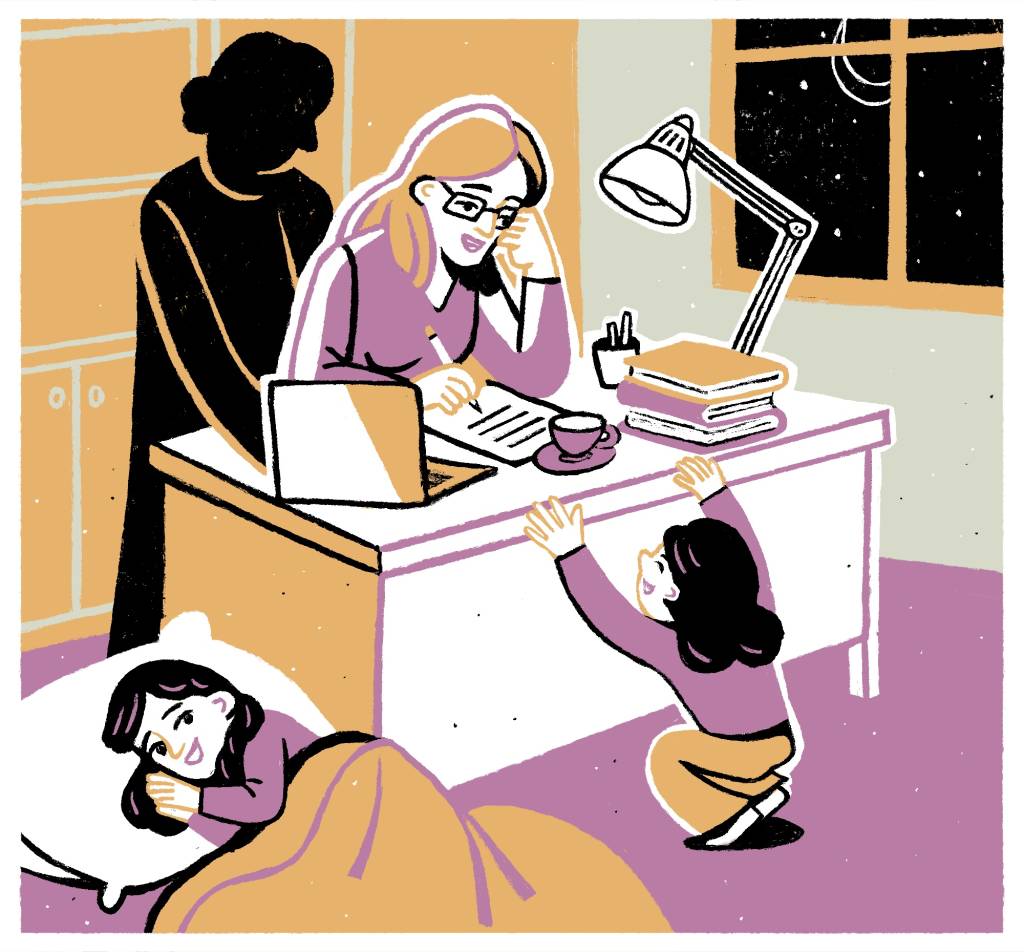
Leaving home early in the mornings to rush to the library, working with documents, writing until late at night. That period was not just a student effort; on one hand I was trying to stay on my feet as a mother, on the other pushing open the doors of academic life. Right in this intersection, one day the name Filiz Özer settled into my life. She was much more than a professor… Her excited voice, her gaze that clarified the mind, her presence that silently said “keep going.” My mother’s support was on my shoulder; Filiz Hoca quietly took her place beside it. At home too, traces of this bond existed. When the children were still very small, as I left the door saying “I’m going to Filiz Hoca,” it became an ordinary part of my days. This repeated so often that years later, when they started kindergarten, one morning they looked at me with teary eyes and said: “Mom, there’s no Filiz Hoca here.” In that moment I felt a strange warmth inside. For them, there had always been a Filiz Hoca in schools. Apparently, the academy had become as much a home for me as it had taken root in their world. They grew while I wrote my thesis; I found my path in academia while they grew. Perhaps this period was a shared story in which we all shaped at the same time.
From the İTÜ corridors where I played hopscotch as a child to faculty membership and professorship at Işık University
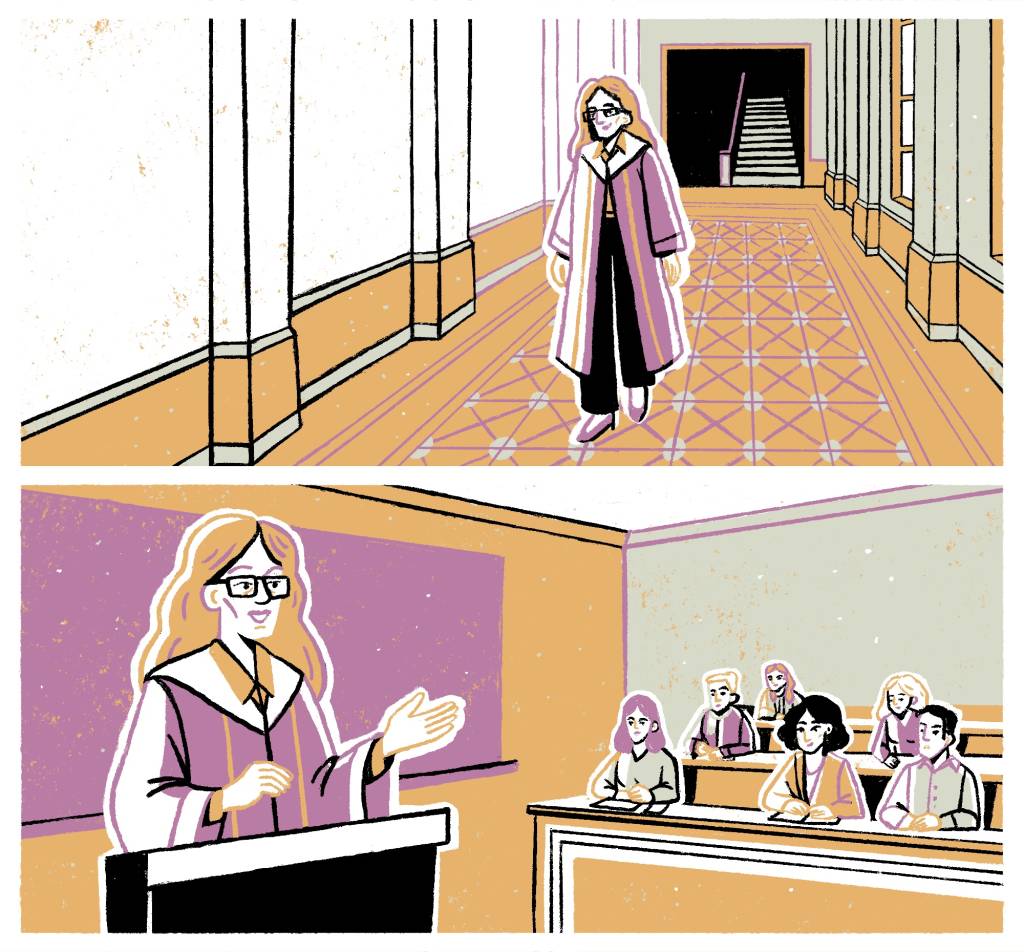
One of the longest steps in my academic life was the journey to Işık University. Over the years, amid classes, students, board meetings, deanship, department drafts, I found my own rhythm. Days passed busily, sometimes quietly, but always productively. Without realizing it, I had taken my place in the university’s story of change. Time moved on, and one day the decision in my hand was not just a title for me but a gift to my mother — my professorship…
It felt like the completion of small efforts stacked year after year, patience, a path woven lesson by lesson, term by term. As if in a long journey I paused, looked back, and the entire route I had walked silently appeared. My path led back to İTÜ. Not as the little girl playing hopscotch, but as someone giving lessons with her own voice…
Walking through the corridors, I thought more about how life’s paths circle back to the same place with different identities. Perhaps the most beautiful part of the story was this: meeting professionally, years later, with an institution that had witnessed my childhood… It was both a completed circle and a new page.
Illustrator: Eda Çağıl Çağlarırmak
Eva Şarlak
Evangelia Şarlak works in the fields of Byzantine and post-Byzantine iconography, Cultural Heritage Conservation, Greek Orthodox architecture in Istanbul, Cemetery typologies, and Design History. After completing her undergraduate degree in Classical Archaeology at Istanbul University, she earned her master’s and doctoral degrees in the Art History program at Istanbul Technical University; she was selected for the U.S. Department of State International Visitor program and had the opportunity to observe conservation/restoration programs. Şarlak, who has also held administrative positions in academia, has national and international publications, conferences, books, cultural heritage projects in which she has conducted research and provided consultancy. Evangelia Şarlak supervises graduate theses and actively contributes academically in the fields of art history and cultural heritage conservation. Since 2012, she has been serving as a professor in the Visual Arts Department of the Faculty of Art, Design and Architecture at Işık University. She is married and the mother of twin daughters.