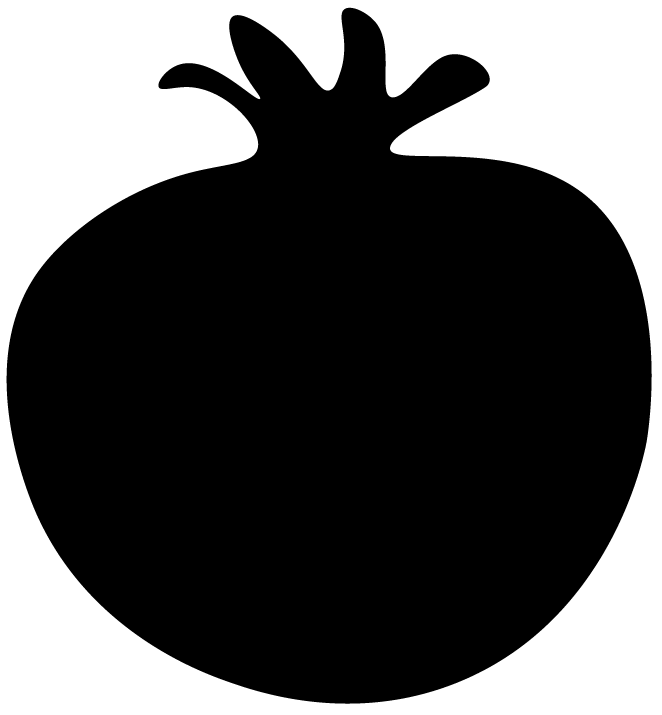




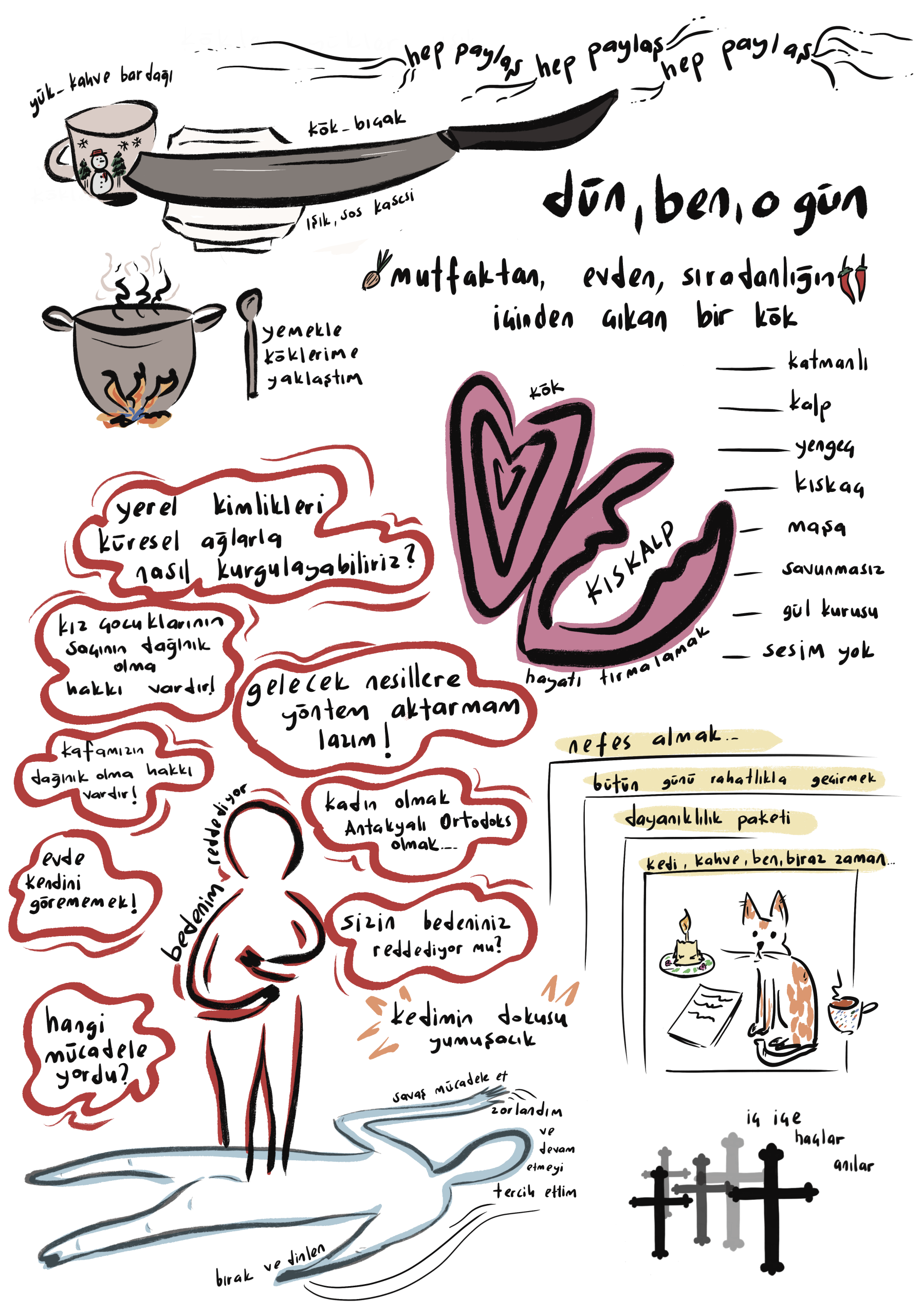
I am kıskalp (heartgrip)¹, my colour is dark red. Not exactly like pink, nor not pink; deep inside.
I have a voice, but I cannot hear it. In the kitchen the food is bubbling, the knife’s sound is very sharp.
My voice is heard in the knife’s up-and-down as greens are chopped. Sometimes too when hot olive oil meets browned onions and bulgur, the sounds echo.
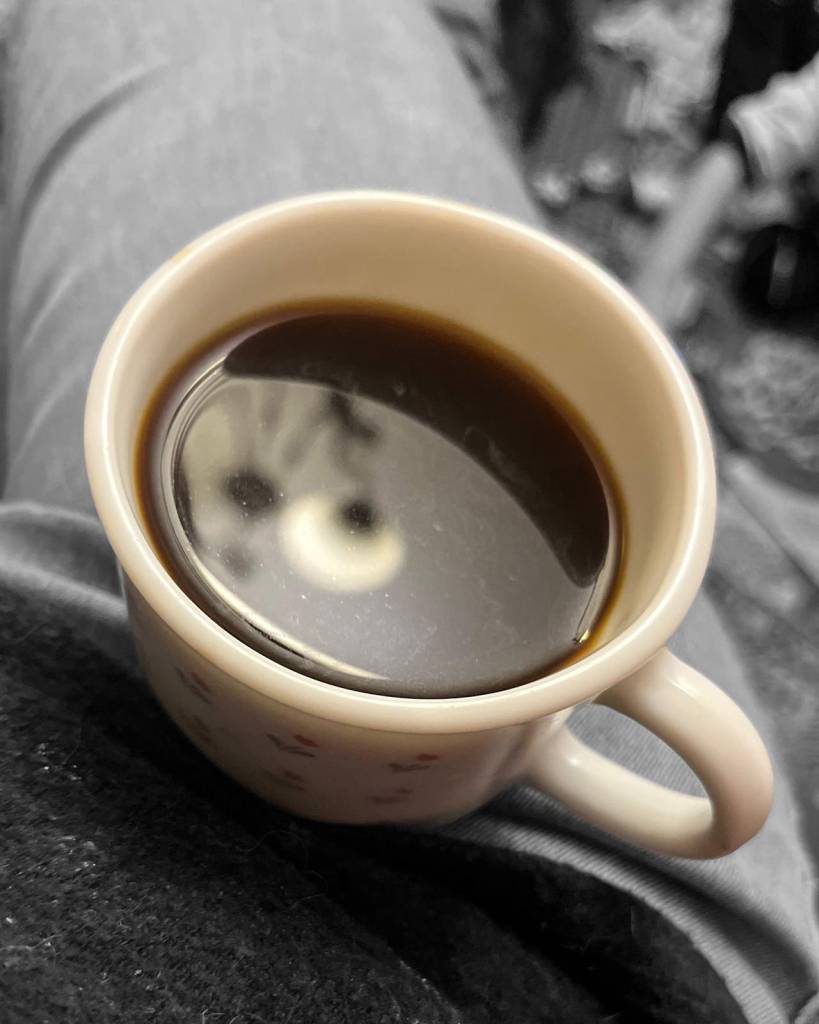
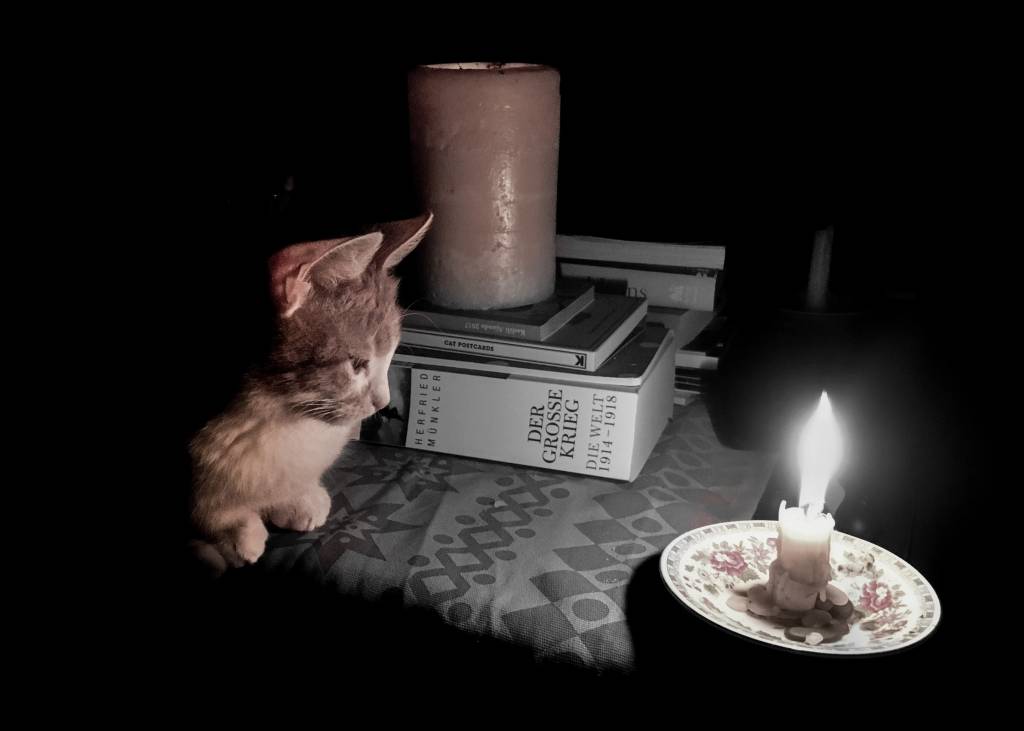
But really in the darkness, when a sharp coffee smell is caught, my heart is heard in all its nakedness.
When is your voice truly heard?
That moment, I turn back to myself and to my body.
Thoughts race inside my brain, trying to reach somewhere…
I am so tired…
I close myself off, I listen to my inside.
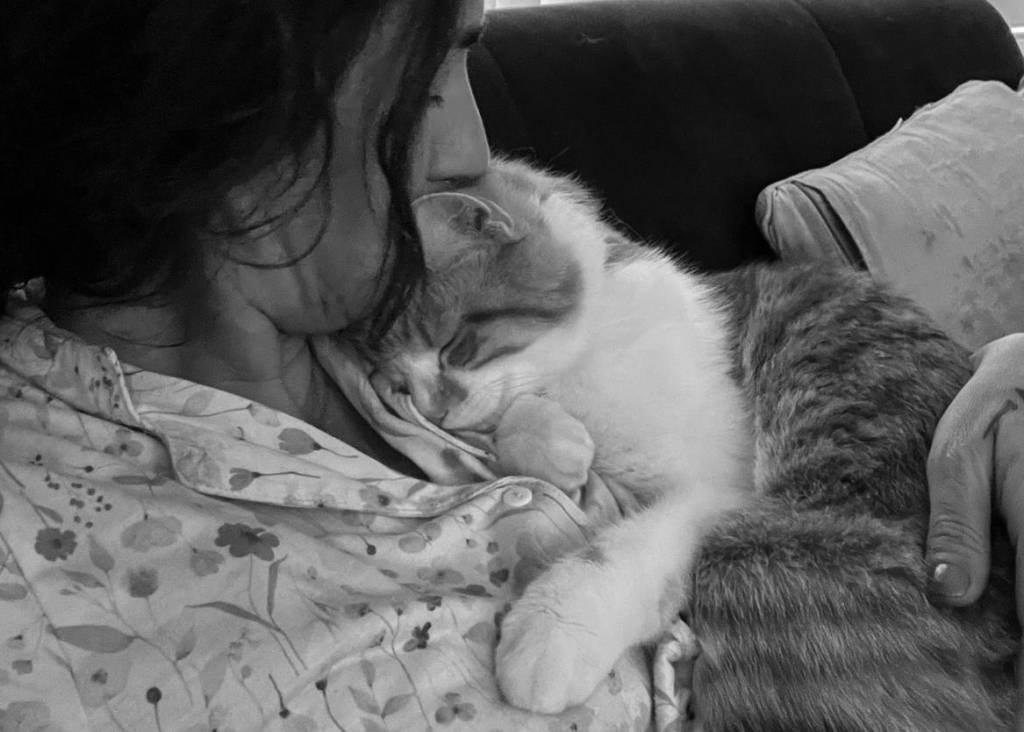
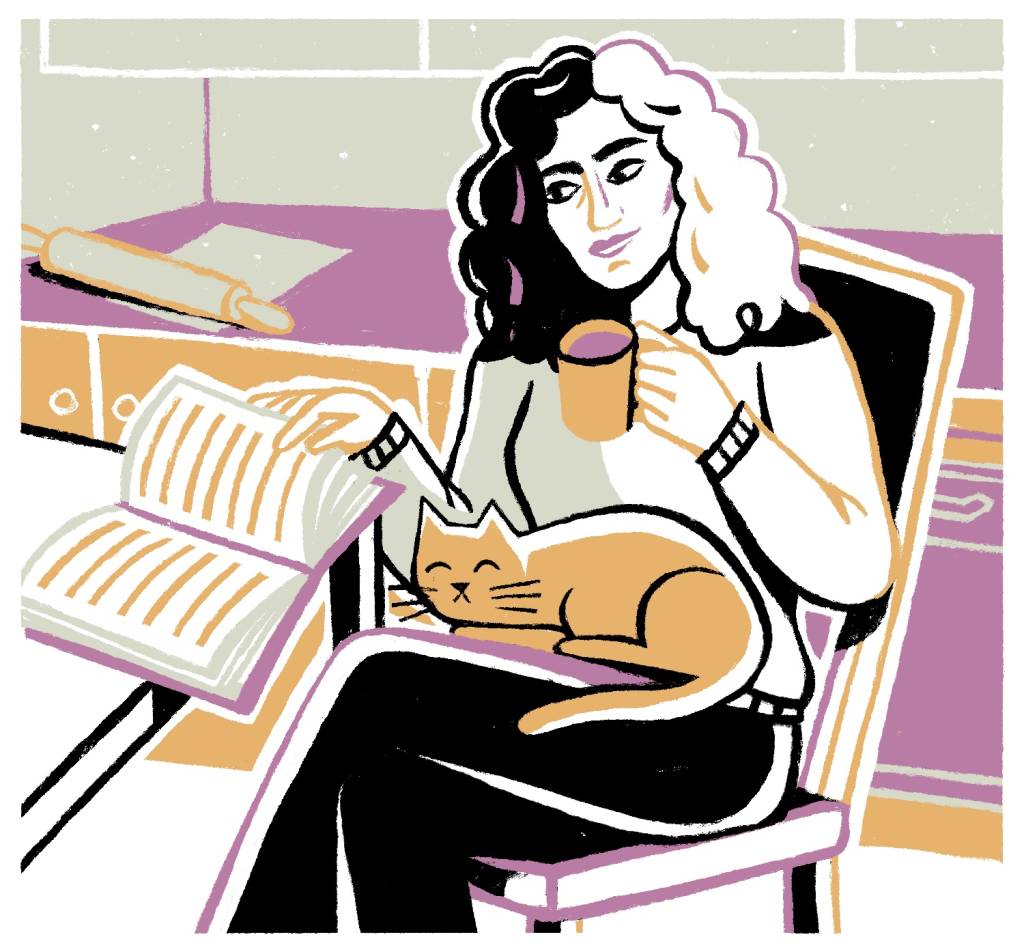
In my cat’s incomparably soft fur my whole body calms.
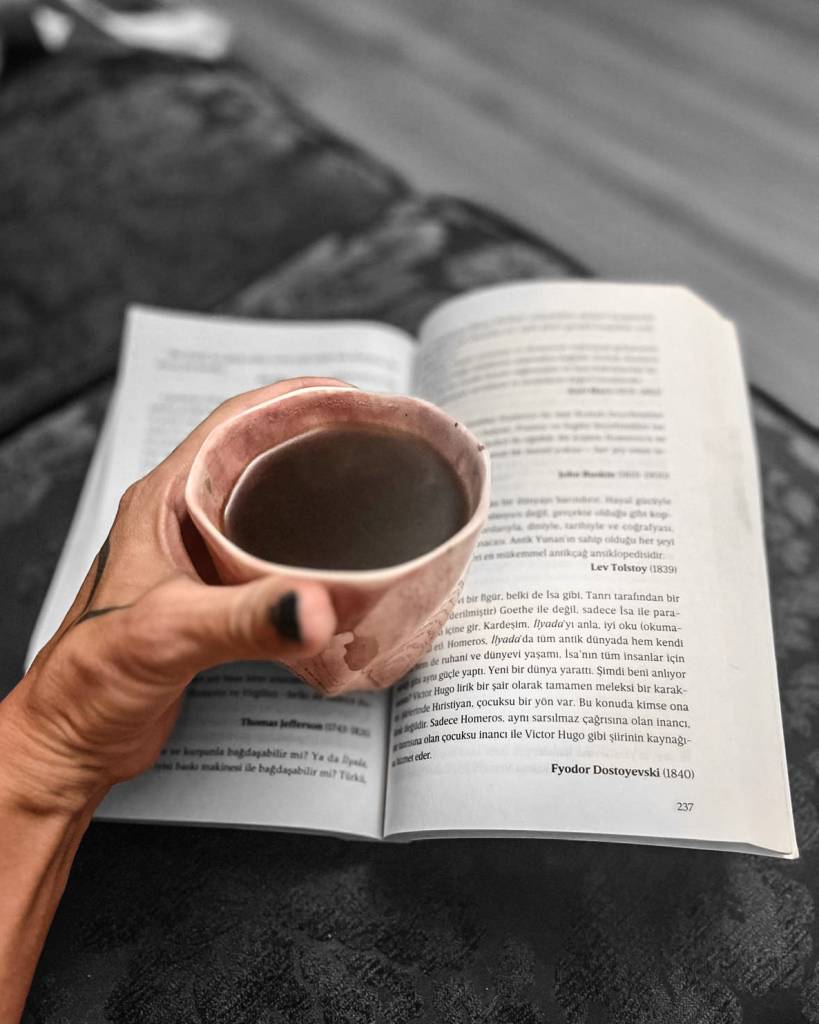
Even the shapeless, chipped nail polish on my nails that I notice right then cannot ruin my peace…
Such a state of stillness…
Maybe ten minutes, maybe a shelter lasting longer.
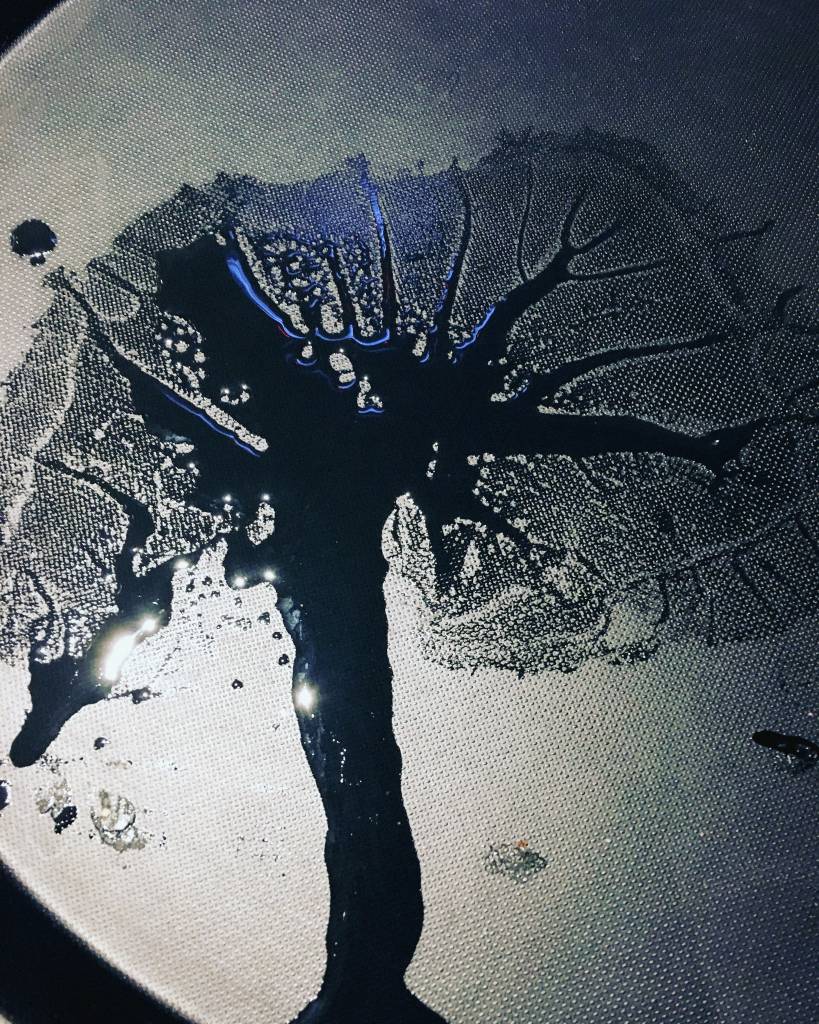
Then taking a deep breath, drawing strength from the place where I’ve rooted, I open to life.
My body does not accept staying closed, pulling inward.
Perhaps it is afraid of getting lost among the roots, of vanishing.
It says there is no other way. Does your body refuse such things, too?
In that moment I slip free of my clamps and stay without shell.
I startle, yes, but I embrace those who — like me — have parted from their clamp and are left alone with their heart (kalp).
Our clamps (kıskaç) are still there…
But we, we have become heartgrip (kıskalp), so to speak.
¹ Kıskalp is a portmanteau word coined by Anna Maria Beylunioğlu, merging the Turkish words “kıskaç” (clamp/pincer/grip) and “kalp” (heart) into one single charged form. So kıskalp — a play on words combining “clamp” (a gripping, squeezing, holding device) and “heart,” suggesting both restraint and naked vulnerability at once.
Anna Maria Beylunioğlu was born in 1983. She is a political scientist who also received professional culinary training. Holding a doctorate in social and political sciences from the European University Institute (EUI), Beylunioğlu has published book chapters and articles on religion-state relations, religious freedom, and minorities. Later she merged her social sciences expertise with the culinary arts, teaching courses such as “Food, Politics and Society” and “Religion, Society and Politics” at MEF and Koç Universities. For many years she has concentrated her academic work on food-drink culture, cultural heritage, and gastro-diplomacy. She is also one of the founders of the Nehna platform, established to understand and give voice to the Antiochian Orthodox community.
Expressive Arts Practitioner: Aylin Vartanyan
Education Specialist, Visual Facilitator: Duygu Aşık